

ZOOM IN WITH ZINEB BOUJEMA
A Performer Exploring Storytelling Through Movement
For Zineb Boujema, movement is more than performance. It is a way of understanding the self, connecting with others, and expressing what words often cannot.
Originally from Meknes, Boujema describes herself as an artist in constant motion. Refusing to define herself through a single discipline, her practice moves freely between dance, painting, acting, and modeling. Rather than separating these forms, she sees them as different expressions of the same creative impulse.
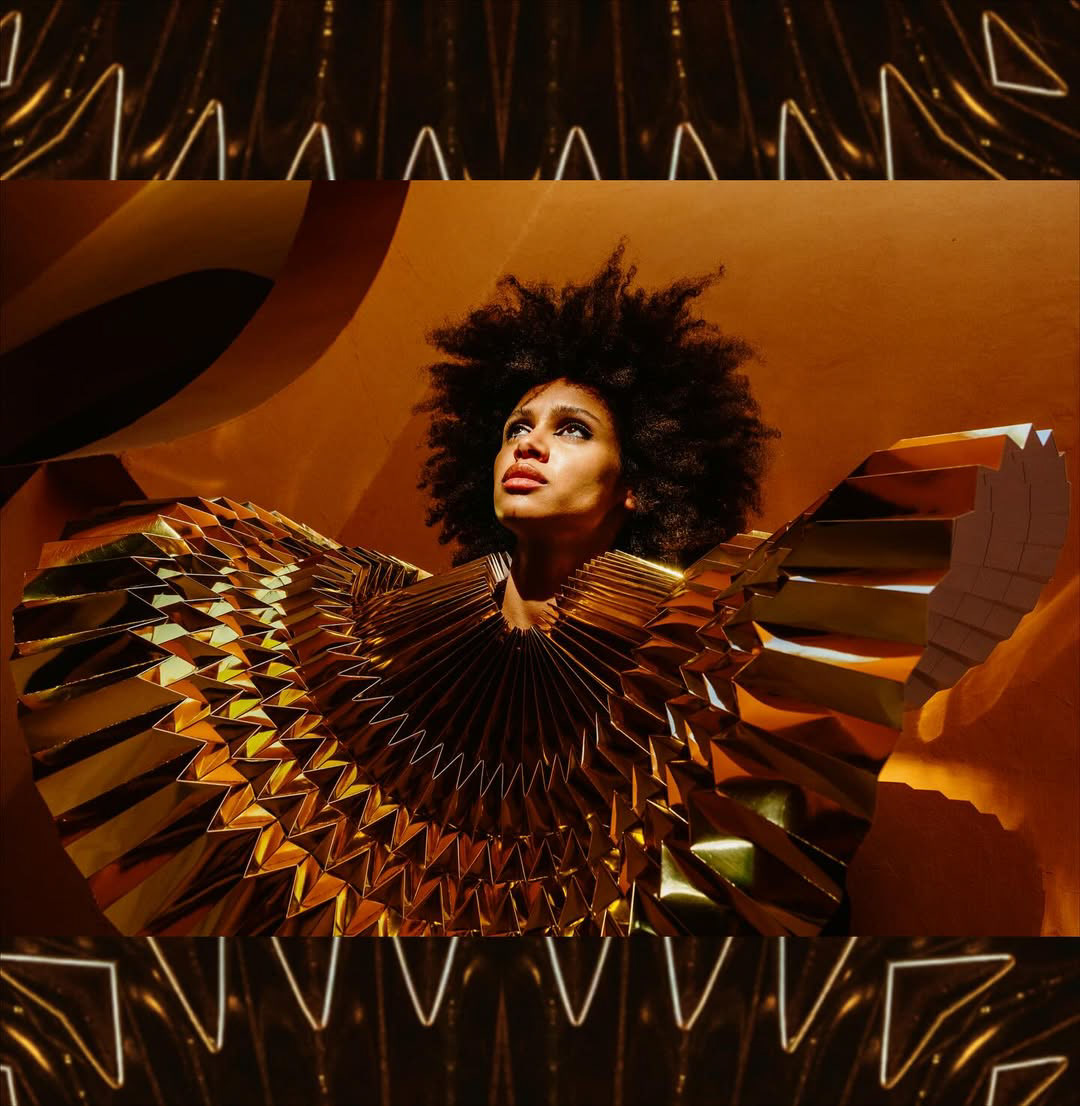
Beyond Labels
Although often introduced as a dancer and movement director, Boujema intentionally resists limiting herself to a single title.
For her, creativity is not confined to one medium. Whether through movement, painting, performance, or image-making, the goal remains the same: expressing what resonates with the spirit.
This fluidity shapes her artistic approach and allows her to move freely between disciplines without feeling constrained by expectations or categories.
The Body as an Ancient Library
At the core of Boujema's work is a belief that movement begins with honesty.
Rather than choreographing emotions intellectually, she approaches performance through intuition, allowing the body to respond before the mind intervenes.
As a Moroccan artist, she sees the body as a carrier of memory, culture, and inherited experience. Movement becomes a way of accessing stories that exist beyond language, drawing from personal experiences while remaining connected to something collective and ancestral.
For Boujema, when movement is sincere, audiences do not simply watch a performance. They feel it.
When Words Are Not Enough
Storytelling occupies a central place in her practice, but not in its conventional sense.
She believes the body often communicates long before words are able to articulate an emotion. Movement, gesture, rhythm, and presence become forms of language capable of expressing experiences that remain difficult to describe verbally.
In a world increasingly dominated by explanation and interpretation, Boujema invites audiences to reconnect with intuition and embodiment, trusting what the body already knows.
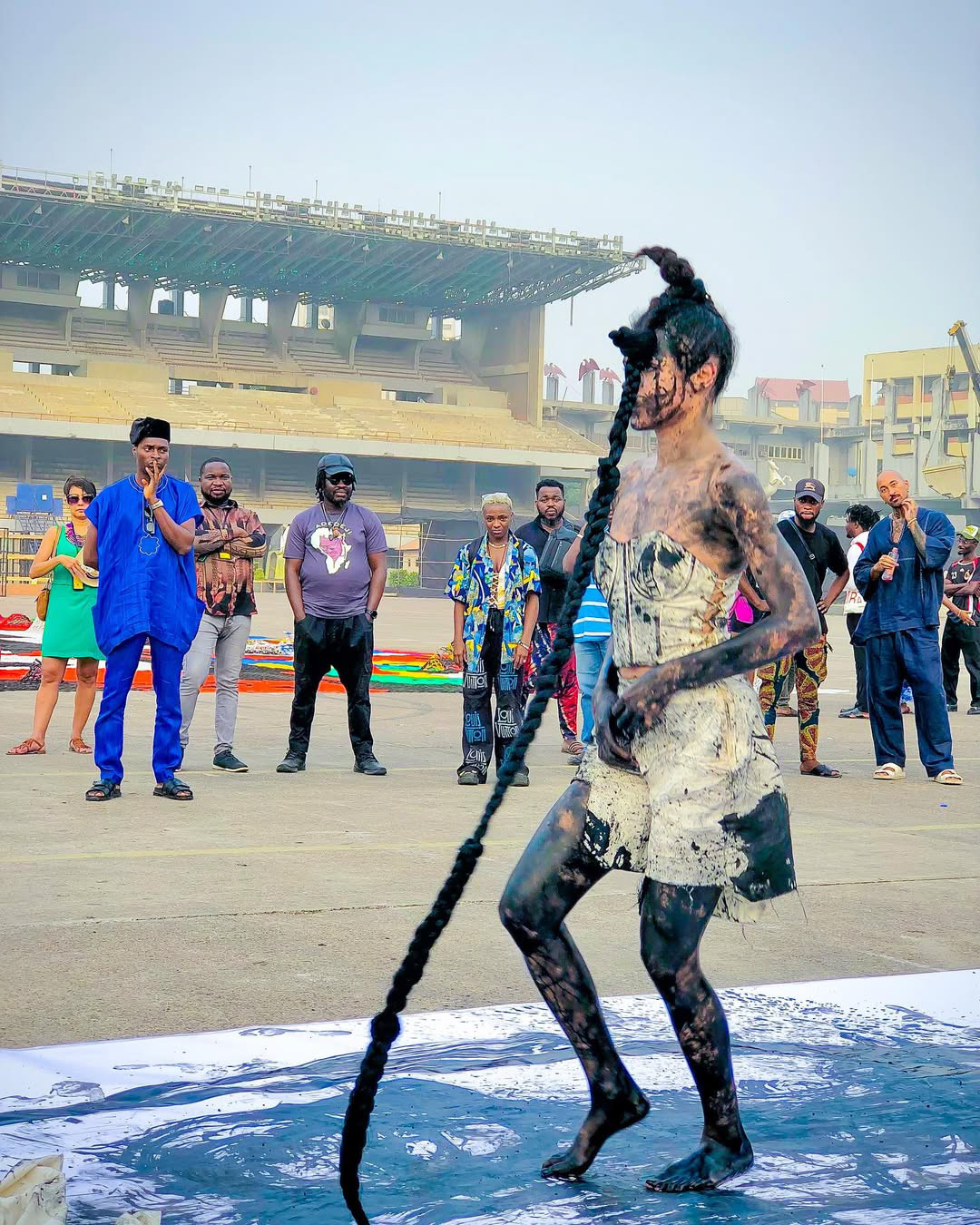
Working Beyond Technique
One of the most distinctive aspects of her work is her approach to performers who are not trained dancers.
Rather than focusing on technical perfection, she values authenticity and presence. In many cases, she finds that people without formal dance training bring a level of spontaneity that can be difficult to access through technique alone.
Her role becomes less about teaching movement and more about creating conditions where movement can emerge naturally. Through memory, imagery, breath, and sensation, performers are encouraged to listen to themselves rather than imitate predetermined forms.
Structure and Freedom
For Boujema, structure and improvisation are not opposing forces.
Technique serves an important function by protecting the body and providing the tools necessary to move safely through space. It creates a framework that allows dancers to push their limits while remaining grounded.
Yet technique alone is not enough.
Improvisation introduces individuality, vulnerability, and truth. It is where personal identity enters the work, transforming movement from a mechanical exercise into a genuine act of expression.
The balance between the two allows her performances to remain both disciplined and alive.
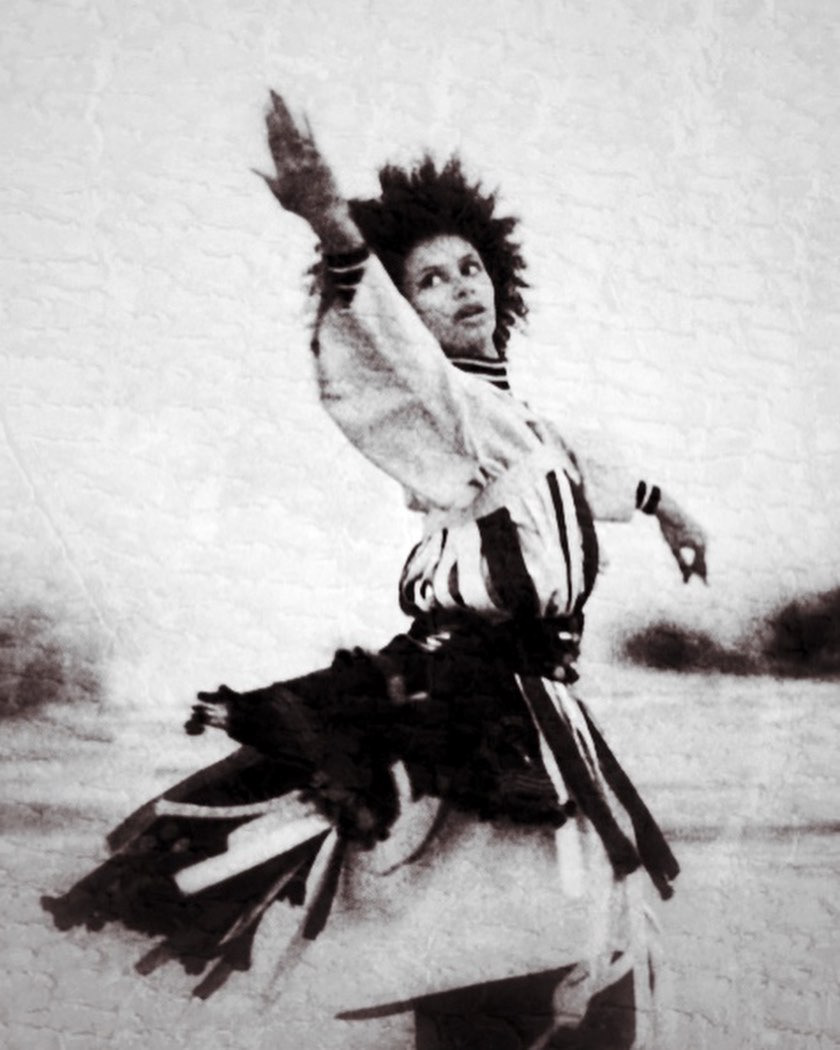
Listening to Space
Whether working with music, silence, styling, or physical environments, Boujema's process begins with observation.
Rather than imposing movement onto a space, she prefers to listen first. Inspiration can emerge from a tree moving in the wind, an insect's rhythm, a room's atmosphere, or the silence before a performance begins.
For her, movement arises when the external environment and internal world meet. In that moment, performance becomes less about demonstrating skill and more about participating in a larger conversation with the world around us.
Creating Space for Truth
When directing a project, Boujema does not seek to dictate how audiences should feel.
Instead, she focuses on creating honest conditions for performers and collaborators. If the people involved are genuinely connected to the work, she believes that authenticity naturally reaches those experiencing it.
Ultimately, her goal is not to deliver a specific emotion, but to create a space where audiences can encounter their own.
Like a mirror, movement becomes an invitation to pause, reflect, and reconnect with whatever truth needs to emerge in that moment.
Photo 1 @psycho.moustache
Photo 2 @iamtijesejatto
Photo 3 @ofer_yakov
Photo 2 @iamtijesejatto
Photo 3 @ofer_yakov