

ZOOM IN WITH SALAHEDDINE EL BOUAAICHI
A photographer documenting people, place and Moroccan hip-hop culture
Born and raised in Marrakesh, Salaheddine El Bouaaichi has been developing his photographic practice since 2016, moving between portraiture, documentary photography, music and the public spaces of the city around him.
Over time, photography has become a storytelling tool through which he documents not only individual faces, but also the environments, communities and cultural moments surrounding them. His long-term documentation of Moroccan hip-hop sits alongside more intimate portrait series, while his increasing use of analogue photography has introduced another concern into his practice: how an image survives after it is made.
For this Zoom In, El Bouaaichi takes us through a process shaped by observation, trust, public space, film and an expanding interest in photography as a physical and cultural archive.
Photography as a storytelling tool
Through years of practising photography, El Bouaaichi has increasingly understood the medium as a tool for storytelling.
One part of that practice documents the Moroccan hip-hop community and its history, culture and evolution. Another takes a more individual approach through portraiture, using faces as entry points into the experiences and identities of the people he photographs.
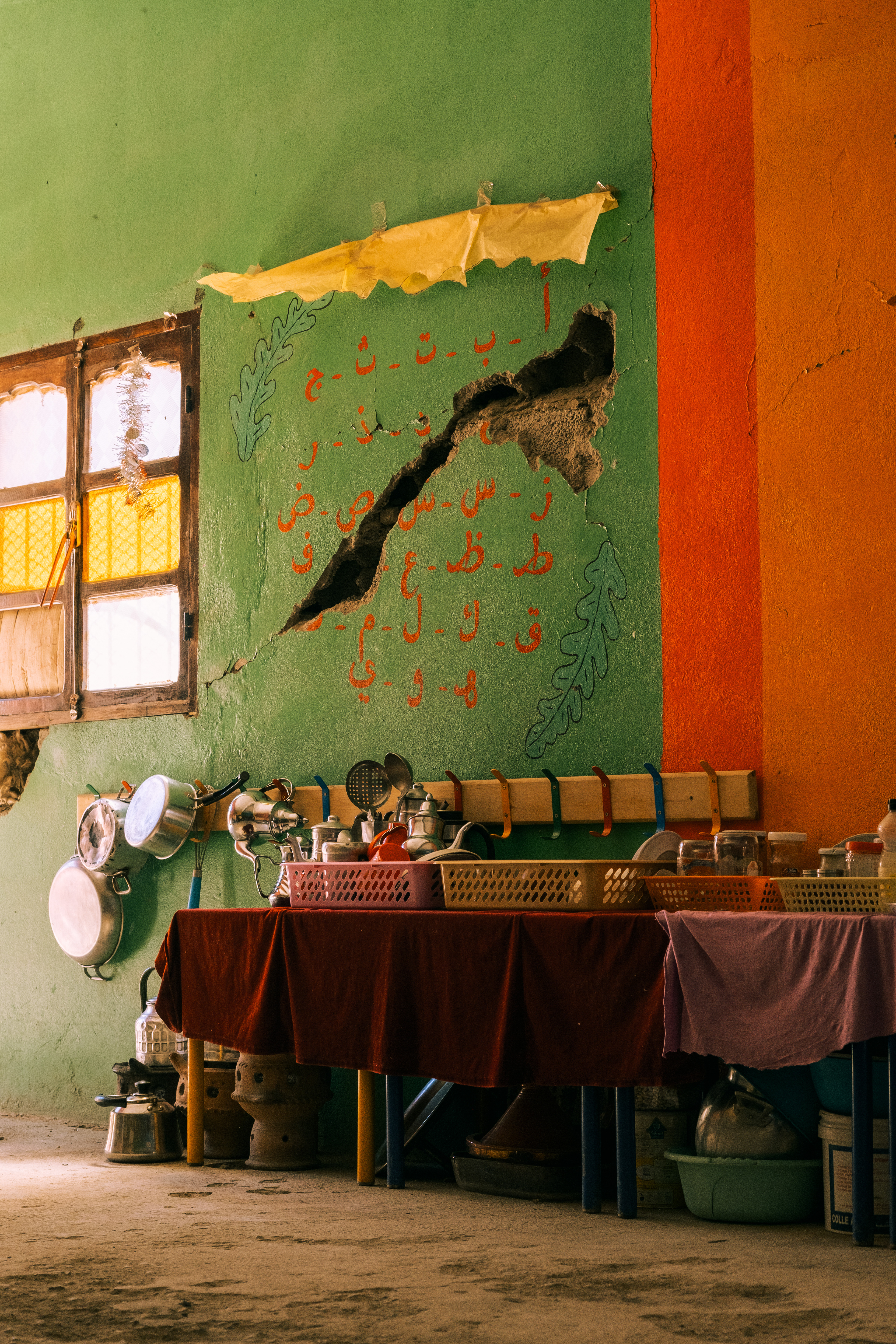
Public space, particularly Marrakesh, is equally important to how those stories are constructed. Its streets, architecture, inhabitants and everyday interactions continuously influence the way he observes and photographs.
Rather than separating subjects from their surroundings, El Bouaaichi tries to bring the two together. The environment becomes another layer within the image, connecting the person being photographed to the place and story surrounding them.
Looking beyond the surface
There is no fixed criterion determining who El Bouaaichi photographs. What matters is the possibility that an interesting story exists behind the person.
Sometimes, that story only begins revealing itself after the photograph has already been made. The process of photographing someone can become the beginning of discovering their experiences and the details that make their story individual.
That approach has gradually taken form through two ongoing series.
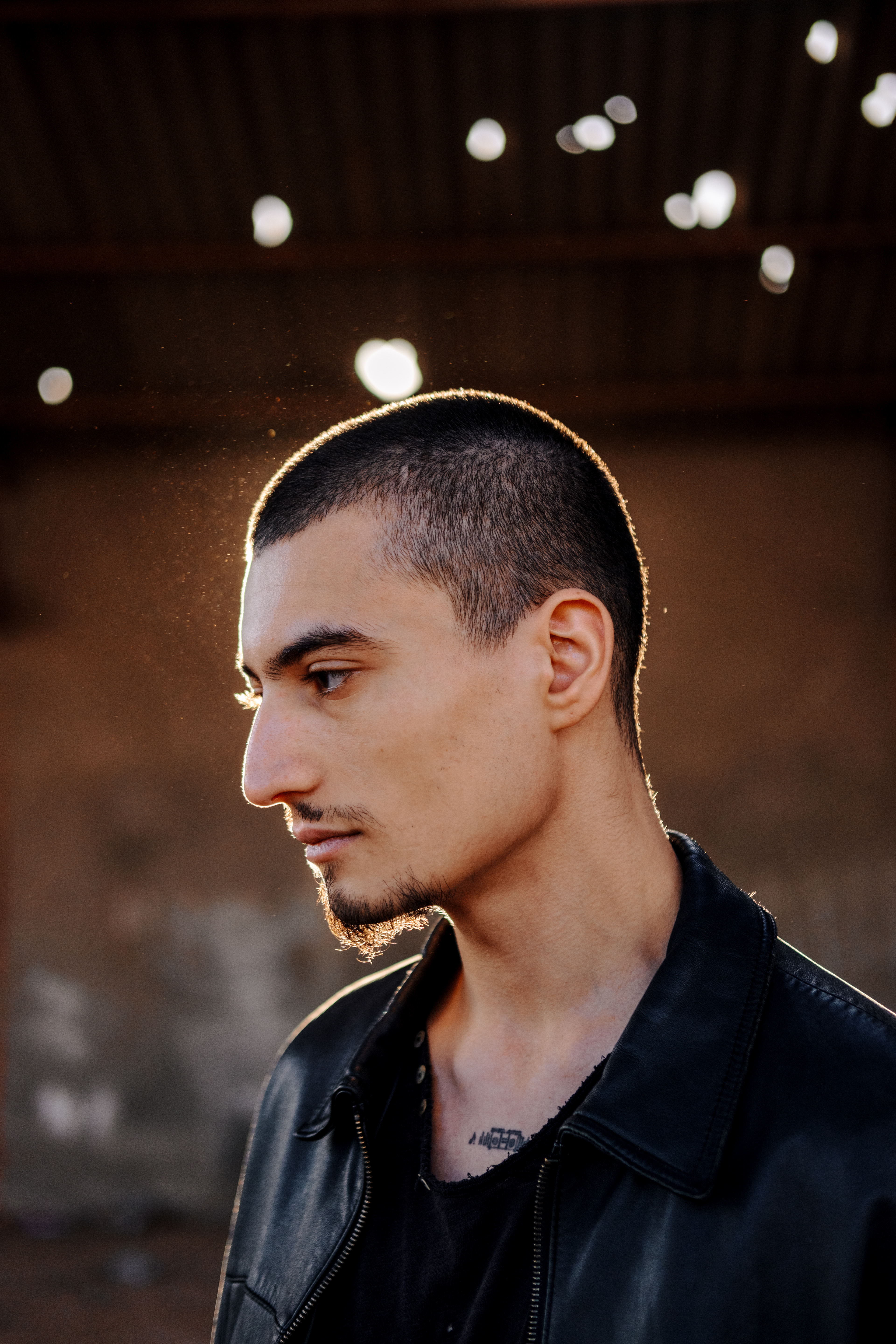
Beyond the Surface looks past the immediate image of a person to explore the experiences and identities beneath their appearance. Special Faces began through an interest in people whose faces carry distinctive marks, including scars and birthmarks.
While physical appearance might provide the initial visual encounter, the objective is ultimately to move beyond it, allowing the individual and their experience to occupy the centre of the story.
Trust through being genuine
The intimacy visible in many of El Bouaaichi's portraits does not come from a particular formula.
For him, building trust begins with being himself. Remaining natural, genuine and honest creates the conditions for a stronger connection with the person in front of his camera.
That connection can then develop into a more meaningful relationship, allowing the portrait to move beyond a purely visual encounter.
When film became an archive
El Bouaaichi works with both digital and analogue photography and does not consider either medium inherently more important than what the photographer chooses to express through it.
Yet analogue photography, particularly 35mm film, has gradually taken a more significant place within his personal practice.
His relationship with film began with an Olympus OM-1, his first camera, acquired in 2018 and still used today. But an experience in 2024 fundamentally changed what analogue photography represented to him.
That year, El Bouaaichi lost his main hard drive and with it six years of personal photographic work.
The loss forced him to reconsider how he was preserving his archive. He began shooting more film, particularly for personal projects, because the negative provided something his lost digital files could not: a physical original that remained independently of a hard drive or digital archive.
Analogue photography consequently became more than an aesthetic or technical preference. It became a method of preserving memory and protecting his photographic work for the future.
Building an archive of Moroccan hip-hop
El Bouaaichi's relationship with Moroccan hip-hop began as a fan, particularly of rap.
When he first started practising photography, there was no deliberate plan to become a photographer of the scene. But as he became increasingly involved, he began noticing something missing: there was relatively little visual documentation preserving the beginnings and evolution of Moroccan hip-hop.
That absence gave the work another purpose.
Rather than photographing artists alone, El Bouaaichi began documenting the moments, people, energy and wider culture surrounding them. Individual photographs could consequently become pieces of a much larger visual record.
He now considers this documentation an ongoing, long-term project. Photography provides a way of preserving moments from the scene while gradually contributing to an archive capable of reflecting how Moroccan hip-hop has changed over time.
Returning photography to a physical process
El Bouaaichi's relationship with analogue photography does not end when the shutter is released.
After shooting a roll, he moves into film development, a stage he finds particularly interesting when performed personally.
Where he once relied on professional laboratories, he is now part of a small film lab established at cultural space LE18 in Marrakech, where he develops his own rolls.
The negatives are then digitised before he begins selecting the final photographs.
Selection is not simply a technical final step. It is where El Bouaaichi considers which images most effectively communicate the story, atmosphere and emotions he wants the work to carry.
The process therefore moves from a physical negative into a digital selection while retaining the original film as part of the archive, bringing his approach to photography, storytelling and preservation into the same workflow.
Photos @salaheddine.elbouaaichi