

Morocco Design is building a new stage for contemporary Moroccan design
Launching in Casablanca from 5 to 7 October, Morocco Design brings Moroccan creatives and international design houses together through a citywide programme built around visibility, exchange and the future of the country’s design ecosystem.
Launching in Casablanca from 5 to 7 October, Morocco Design brings Moroccan creatives and international design houses together through a citywide programme built around visibility, exchange and the future of the country’s design ecosystem.
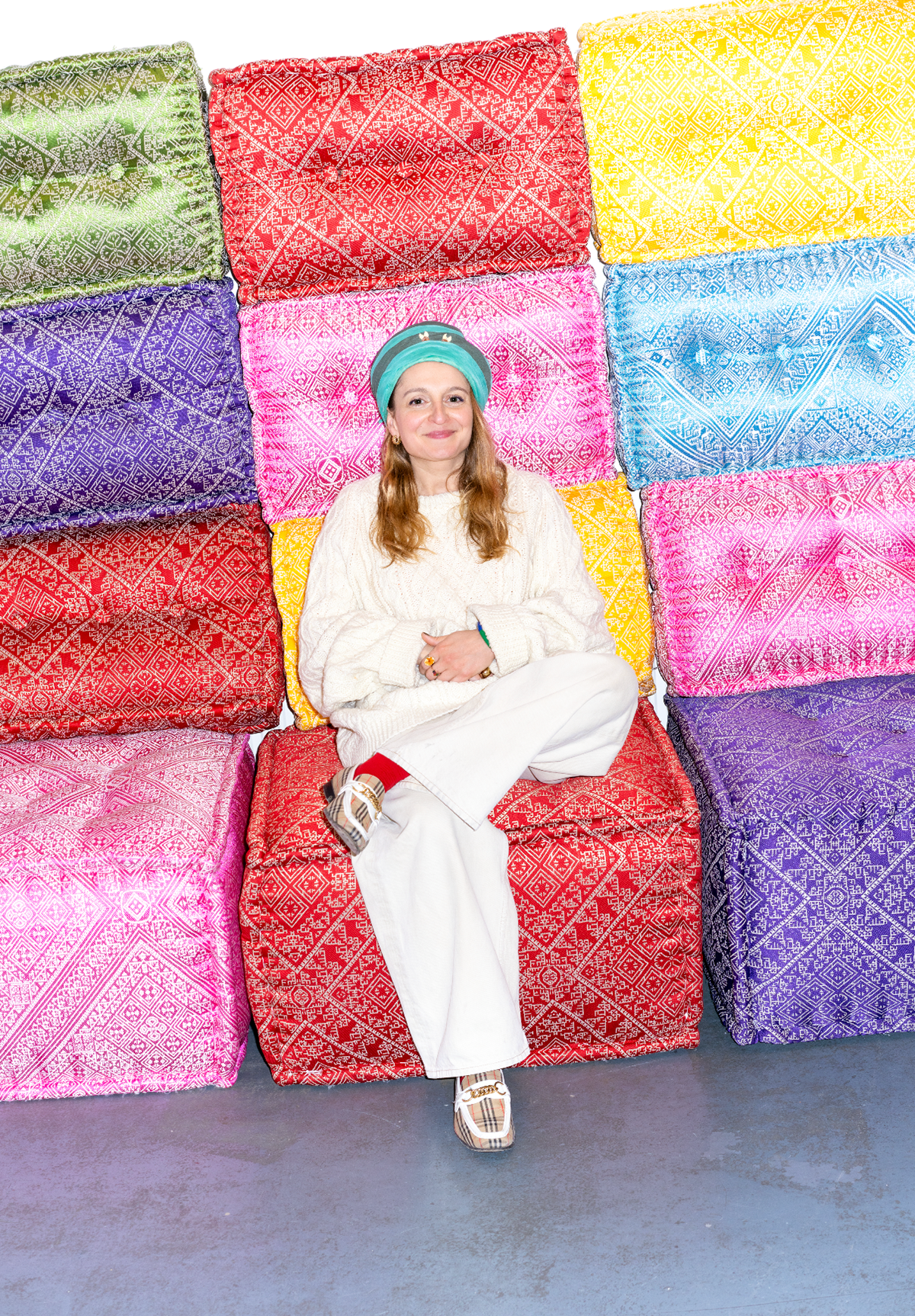
Morocco is already internationally recognised for its craftsmanship. Zellige, rugs, metalwork and woodworking have long shaped how Moroccan design is seen beyond the country. But alongside that heritage, a contemporary creative scene is developing its own languages, materials and ways of working.
For Hanane El Moutii, founder of Morocco Design, this is precisely where something has been missing.
“What has been missing, in my view, is not talent. It is visibility, context and connection.”
She points to a generation of Moroccan architects, designers, artists and makers working both with and beyond traditional techniques, while participating in wider international conversations. For her, the challenge is allowing that work to be encountered as contemporary design in its own right, rather than only through the familiar lens of craft and heritage.
That idea sits at the centre of Morocco Design, a new cultural platform launching its inaugural edition in Casablanca from 5 to 7 October 2026. Rather than bringing everyone into a conventional fair, the three-day programme will unfold across the city through exhibitions, installations, private presentations, conversations and gatherings in showrooms, galleries, ateliers, hospitality spaces and architecturally significant locations.
The format is intentional. Casablanca becomes part of the experience itself.
Long associated with commerce and modern architecture, the city is also home to a growing network of designers, makers, entrepreneurs and cultural institutions. By moving audiences between different locations, Morocco Design wants international visitors to encounter not only individual practices but the wider creative ecosystem surrounding them.
One of the programme’s highlights will see Hamza Kadiri present L’Axe Invisible, curated by Amine Amharech, at Teatro Italia, Consulate General of Italy in Casablanca. Through his sculptural approach to wood and mastery of traditional cabinetmaking, the exhibition explores material, movement and time.
The setting becomes part of the work. Teatro Italia is currently undergoing renovation, placing Kadiri’s totemic forms inside a space that is itself in transformation. Raw surfaces and traces of construction enter into dialogue with craftsmanship, architecture and material, bringing another layer to an exhibition concerned with making and change.
Elsewhere, Casablanca-based architect and designer Othmane Bengebara will present a solo exhibition dedicated to his practice. His work moves between architecture, territory, furniture, objects and space, with Irtah!, his sculptural ottoman, among the works announced for the presentation.
Villa Sahrai, also named the official hospitality partner of the inaugural edition, will become another important point on the programme. An installation by Sophia Kacimi will occupy part of the villa, while the ground level will host an encounter with Verneo Studio, which works between Casablanca and Los Angeles. On the mezzanine, Sana Benzaitar, Salima Filali and Myroc Studio will come together through an installation exploring furniture, materiality, craftsmanship and new expressions of Moroccan design.
The programme also creates direct encounters between Moroccan creatives and international design houses. B&B Italia will collaborate with Ali Lahlou on a presentation at CLAY Concept Store, while Flexform and The Zellijist will present an immersive experience centred on the gesture, materiality and transformation behind zellige.
Molteni&C will showcase works by Moroccan artist Ghizlane Agzenai in partnership with La Galerie 38, adding another meeting point between an international design house and a Moroccan contemporary practice.
Other names and spaces across the inaugural edition include Samir Mazer, Moroso, Kettal, L’Appartement, Boffi Casablanca and Fenêtre Sur Cour. The latter will open its Casablanca flagship showroom throughout the three days, with pieces from international houses including Cassina, Fritz Hansen, BD Barcelona and Fornasetti. Together, the programme moves across furniture, objects, interiors, architecture, craftsmanship and material experimentation.
At Roche Bobois Maroc, the programme will also celebrate the legacy of Moroccan designer Hicham Lahlou through an installation open to the public, accompanied by a private dinner in his honour. The Roche Bobois villa will also welcome students from Art’Com Sup for The Business of Becoming: Designing Morocco’s Next Generation, a conversation looking beyond creative education to questions of identity, project-building, industry realities, communication and opportunity creation.
That attention to what comes after learning a craft connects to a wider ambition behind Morocco Design. For El Moutii, education is part of building a design ecosystem that lasts beyond a three-day event.
“We need to connect the next generation not only with creativity, but with the realities of building a career,” she explains, pointing to the importance of knowing how to present work, communicate ideas, engage with brands and galleries and ultimately build sustainable practices.
The same thinking applies to the international connections Morocco Design hopes to generate. The objective is not simply to give someone visibility during one week in Casablanca, but to create encounters that can continue afterwards, whether through an introduction to a gallery, a conversation with an editor, a commission, a collaboration with a brand or an invitation abroad.
As El Moutii puts it, “If someone comes to Casablanca for Morocco Design and leaves having discovered a Moroccan designer they later collaborate with, represent, commission or write about, then the platform has done something meaningful.”
This also explains why Morocco Design is being positioned from the beginning as more than an annual event. Its longer-term ambition is to connect Moroccan talent internationally, encourage collaboration within Morocco, create opportunities for emerging designers and strengthen relationships between designers, artisans, manufacturers, schools, galleries, brands, media and institutions.
Ultimately, the question is also one of perception.
“Heritage will always be part of our identity, and it should be, but Morocco is also producing new ideas, new forms and new voices,” El Moutii says. Her hope is that, over time, Morocco becomes a place the international design community looks towards not only for what it has inherited, but for what is being created next.
Morocco does not need another definition of its design identity. What it may need are more spaces where the identity already evolving can be encountered, connected and allowed to travel.
Photo : Sophia Kacimi by Guy Bolongaro