

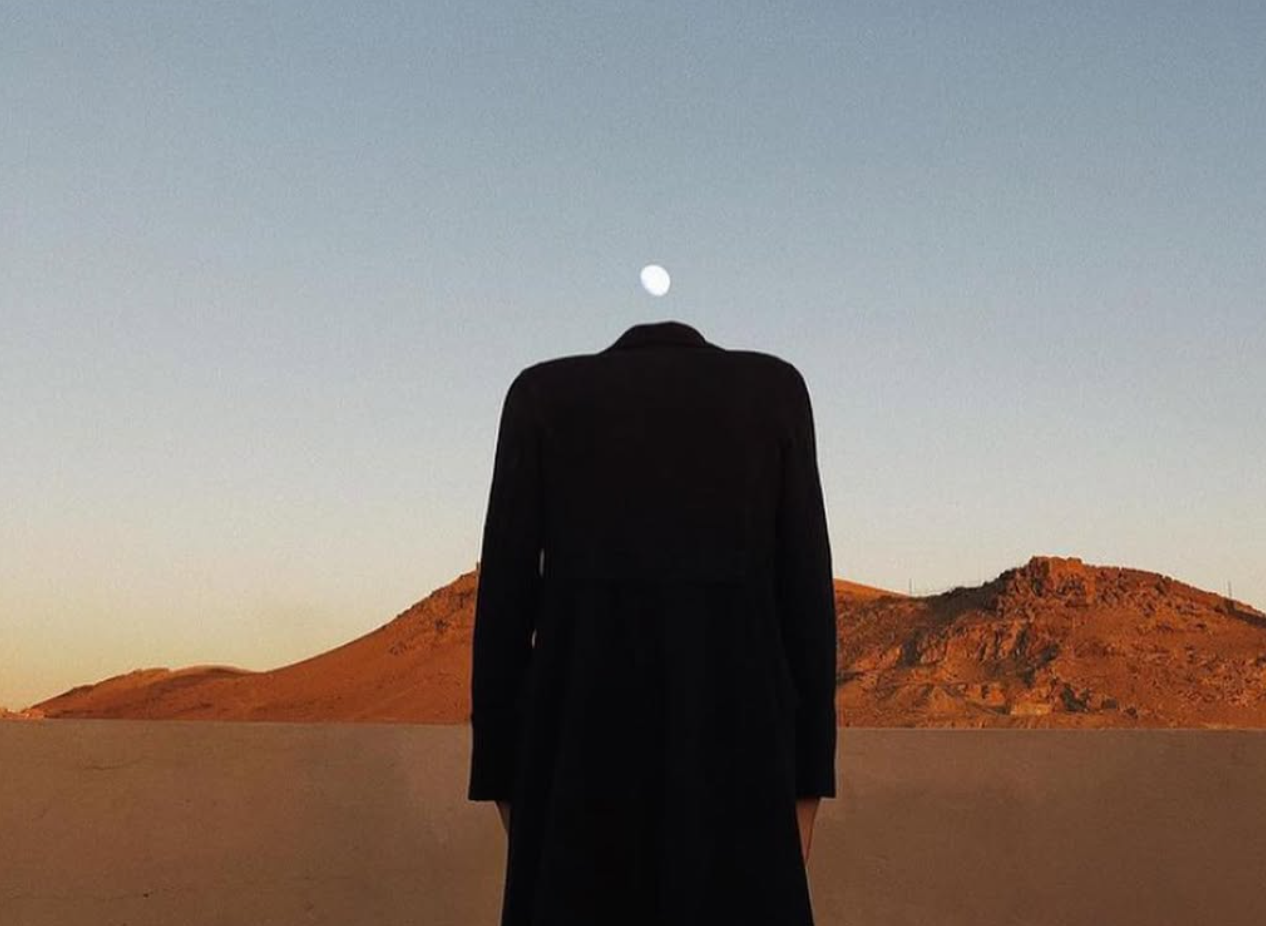
Creativity is often seen as inspiring, expressive, and fulfilling.
But behind the work, there is often another reality , one shaped by pressure, self-doubt, and constant comparison.
Creative fields ask for more than technical skill. They ask for ideas, identity, and emotion. This makes the work deeply personal, but also more vulnerable.
Many creatives find themselves asking:
Am I good enough?
Is my work relevant?
Why is everyone else moving faster?
Is my work relevant?
Why is everyone else moving faster?
In a digital environment where visibility is constant, comparison becomes unavoidable. Social media exposes creatives to an endless stream of finished work, often masking the process, the effort, and the uncertainty behind it.
Over time, this can lead to creative burnout.
Burnout does not always appear suddenly. It can take the form of exhaustion, lack of motivation, or a loss of connection with the work itself.
In this context, protecting one’s mental space becomes essential.
Rest is not a weakness.
Slowing down is part of the process.
Maintaining balance outside of creative work allows ideas to evolve.
Sharing struggles reminds creatives they are not alone.
Slowing down is part of the process.
Maintaining balance outside of creative work allows ideas to evolve.
Sharing struggles reminds creatives they are not alone.
Creativity does not only require inspiration.
It requires space, care, and time.
It requires space, care, and time.
Because behind every creative work, there is a human being.